
Warehouse optimization is not just about moving faster. For a 3PL warehouse, it means improving how inventory, labor, storage space, picking, packing, billing, and shipping workflows are managed across multiple clients.
As ecommerce order volume grows, small warehouse issues can quickly become expensive. A misplaced SKU, poor slotting plan, delayed pick list, or inaccurate stock count can affect several clients at once. That is why 3PL warehouses need clear processes, accurate data, and the right warehouse tools to keep fulfillment predictable.
This guide explains practical warehouse optimization tips for 3PL warehouses, including inventory accuracy, picking speed, labor productivity, storage layout, and order fulfillment performance.
What Is Warehouse Optimization and Why Does It Matter for 3PLs?
Warehouse optimization is the process of improving how inventory, space, labor, orders, picking, packing, and shipping workflows are managed inside a warehouse. The goal is to reduce errors, use available space more effectively, speed up fulfillment, and keep operations easier to control.
For 3PL warehouses, optimization is more complex because one facility may handle multiple clients, product types, order rules, packaging requirements, carrier cutoffs, and billing models at the same time. A small issue, such as inaccurate stock levels or poor bin organization, can delay orders and create client service problems.
Optimization becomes easier when warehouse teams have reliable inventory data, organized storage locations, barcode-based checks, clear picking workflows, and real-time visibility into order progress. These systems help teams reduce guesswork and make faster operational decisions.
Common Warehouse Optimization Challenges for 3PLs
3PL warehouses are more complex than single-brand warehouses because they manage inventory, orders, rules, and reporting for multiple clients at the same time. Without structured processes, small issues can quickly turn into delayed orders, wrong shipments, billing disputes, and unhappy clients.
Inventory inaccuracy: Maintaining accurate stock levels becomes difficult when multiple clients, SKUs, sales channels, and warehouse locations are involved. Stock mismatches can lead to overselling, stockouts, delayed fulfillment, and lower client trust.
Poor space utilization: Unorganized stock, crowded aisles, weak bin labeling, and inefficient storage layouts make it harder for warehouse teams to locate items quickly. This increases walking time, slows down picking, and affects delivery speed.
Manual fulfillment errors: When receiving, picking, packing, and shipping depend on manual processes, mistakes become more common. Wrong items, missed quantities, incorrect labels, and delayed updates can increase returns, reshipping costs, and customer complaints.
Limited client visibility: Many 3PLs struggle when clients cannot see real-time inventory, order status, or fulfillment progress. This creates extra support work for warehouse teams and reduces transparency for clients.
Complex billing: 3PLs often charge for storage, pick and pack, kitting, returns, special handling, and other value-added services. Without proper activity tracking, these charges can be missed, delayed, or disputed.
Key Benefits of Warehouse Optimization for 3PL Warehouses
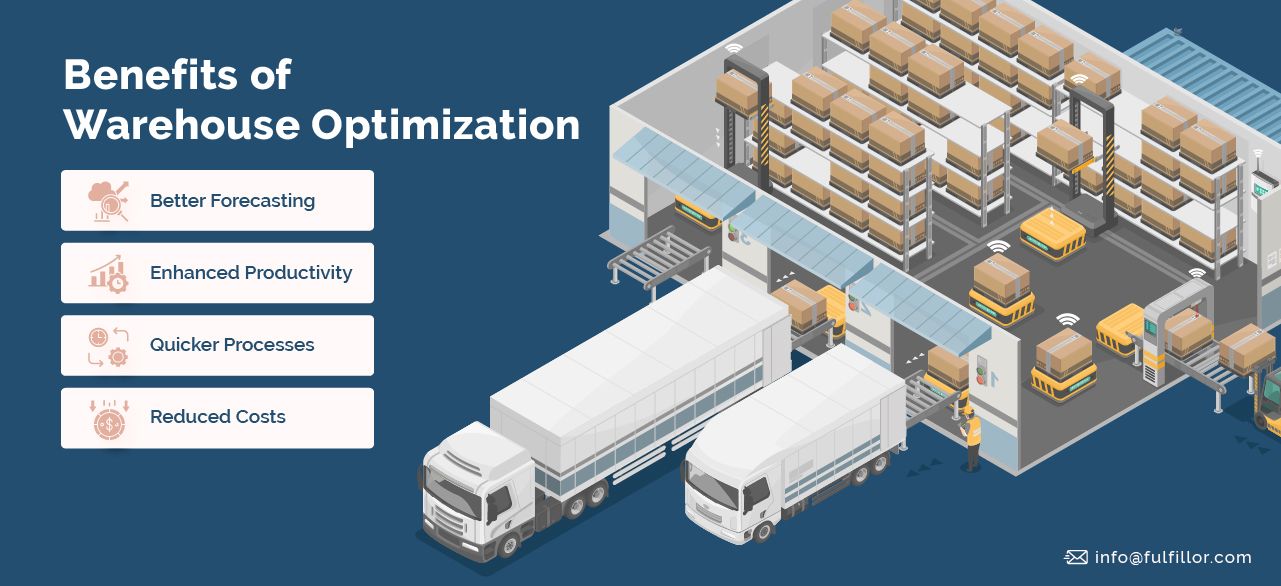
Warehouse optimization helps 3PLs reduce errors, improve stock accuracy, speed up fulfillment, and manage warehouse capacity more efficiently.
Better inventory accuracy: Optimized warehouse processes help teams track stock levels across clients, locations, bins, pallets, and cartons. This reduces stockouts, overselling, inventory mismatches, and fulfillment delays.
Faster pick and pack workflows: A better warehouse layout, barcode scanning, and organized pick paths help warehouse teams find products faster and reduce unnecessary walking time. This improves order speed and helps teams meet carrier cutoff times.
Improved labor productivity: When routine tasks such as inventory updates, pick list creation, packing checks, and order status updates are automated, warehouse staff can handle more work with fewer errors. This is especially useful during peak seasons or high-volume fulfillment periods.
Lower operational costs: Warehouse optimization helps reduce wasted labor, reshipping costs, storage inefficiencies, overtime, and manual correction work. Better space utilization also allows 3PLs to manage more inventory without immediately increasing warehouse footprint.
Better client visibility: With real-time inventory, order tracking, reporting, and client portal access, 3PLs can reduce manual status updates and give clients clearer visibility into fulfillment performance.
More accurate billing: Optimized workflows make it easier to track billable activities such as storage, picking, packing, kitting, returns, and special handling. This helps reduce missed charges and billing disputes.
5 Proven Warehouse Optimization Strategies for 3PL Warehouses
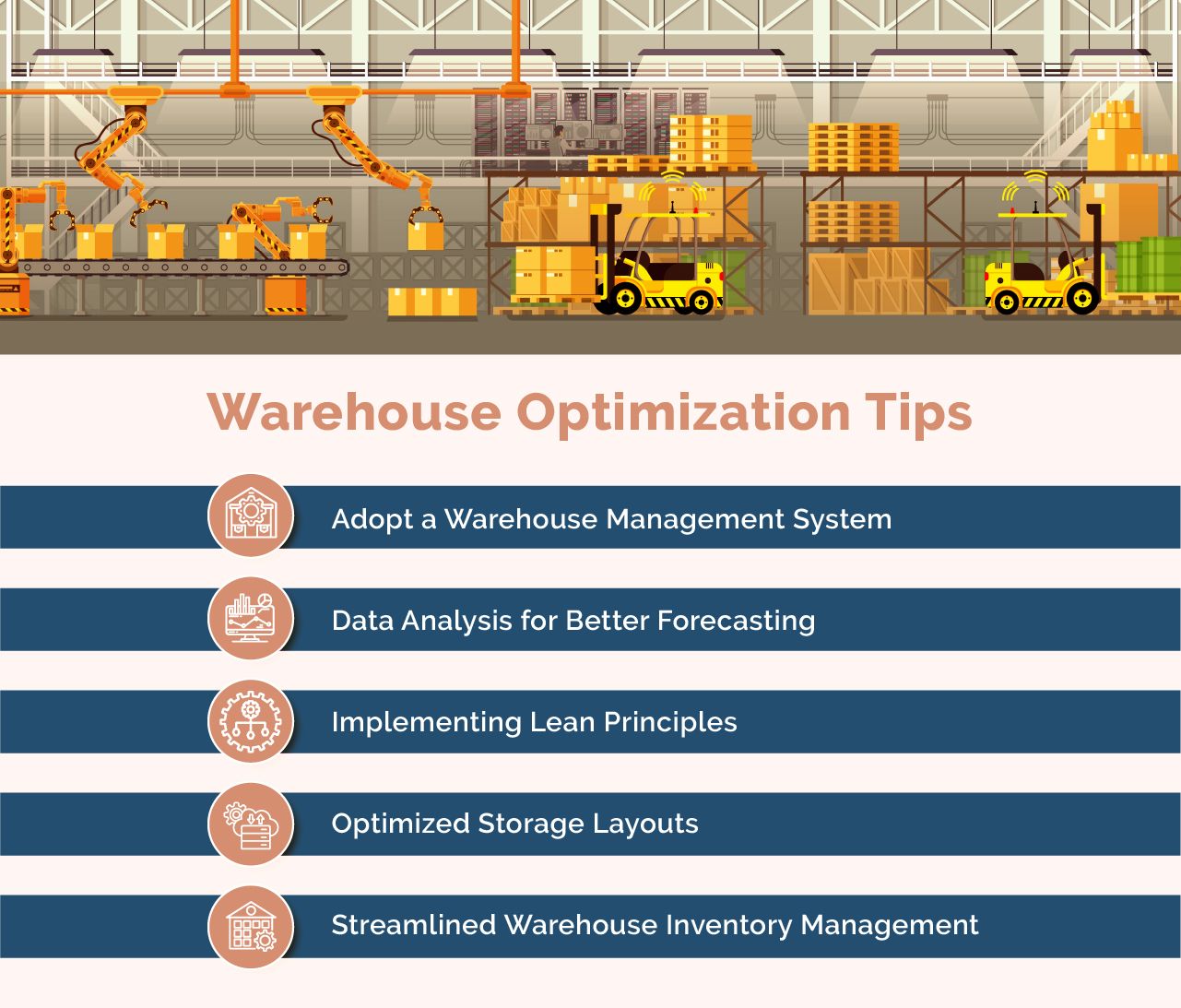
Warehouse optimization works best when inventory, orders, picking, packing, shipping, reporting, and billing are managed through clear processes. For 3PLs, the goal is not just to move faster, but to improve accuracy and consistency across multiple clients and fulfillment workflows.
1. Use Warehouse Automation to Reduce Manual Work
Warehouse automation helps reduce repetitive tasks such as order importing, inventory updates, pick list creation, packing verification, shipping label generation, and client reporting. This allows teams to process more orders with fewer manual errors.
For 3PLs, automation is especially useful because each client may have different product rules, packaging needs, shipping methods, and service expectations. Standardizing routine tasks helps teams stay consistent while still supporting client-specific workflows.
2. Use Data Analytics for Better Forecasting and Planning
Warehouse optimization depends on accurate data. By tracking order volume, SKU movement, inventory turnover, picking speed, storage usage, and fulfillment performance, 3PLs can make better decisions about labor, stock placement, and warehouse capacity.
Data analytics also helps warehouse teams identify slow-moving inventory, high-volume SKUs, seasonal demand patterns, and operational bottlenecks. This supports better staffing, peak-season planning, and inventory decisions.
3. Apply Lean Practices to Reduce Waste
Lean warehouse practices help 3PLs remove unnecessary steps from warehouse operations. This may include reducing travel time, improving pick paths, organizing storage zones, minimizing duplicate handling, and replacing manual checks with barcode scanning or system validation.
Techniques such as ABC analysis, cycle counting, and Just-in-Time inventory planning can help warehouses prioritize fast-moving items and reduce wasted storage space. For 3PLs, lean practices work best when supported by reliable inventory and order data.
4. Optimize Storage Layouts for Faster Fulfillment
An optimized warehouse layout helps teams move faster and use available space more efficiently. 3PLs can improve storage by grouping fast-moving SKUs closer to packing areas, using clear bin locations, separating client inventory, and tracking pallets, cartons, and individual items.
Better slotting reduces walking time, improves picking speed, and lowers the chance of misplaced inventory. It also helps teams manage high-volume fulfillment periods with less confusion on the warehouse floor.
5. Improve Inventory Management Across Clients and Channels
For 3PLs, inventory must stay accurate across multiple clients, sales channels, locations, and order types. Even small stock errors can lead to delayed fulfillment, wrong shipments, and client disputes.
Strong inventory management includes real-time stock updates, barcode scanning, cycle counts, receiving workflows, bin-level tracking, and inventory reporting. These practices give warehouse teams better visibility into stock movement and help clients trust the data they receive.
How the Right Warehouse System Supports Optimization
Warehouse optimization works best when planning and execution are connected. Layout improvements matter more when pickers have accurate bin locations. Forecasting is more useful when inventory data updates in real time. Fulfillment becomes easier to manage when orders, packing, shipping, reporting, and billing work together.
For growing 3PLs, a warehouse management system can support these workflows by improving inventory visibility, reducing manual updates, organizing picking and packing tasks, and tracking fulfillment activity across clients.
Fulfillor helps 3PL warehouses manage inventory, orders, pick and pack workflows, shipping, reporting, billing, and client visibility from one connected platform.
Schedule a call with us to learn how Fulfillor can support your warehouse optimization goals.