50+
Courier Integrations
Connect shipping workflows with regional and global carriers.

Managing multiple carriers, regions, and client requirements can create delays, pricing inconsistencies, and tracking gaps, especially in multi-client 3PL operations. Fulfillor centralizes shipping workflows to reduce manual effort, improve fulfillment accuracy, and support faster, more cost-controlled deliveries.
 50+ carrier integrationsReal-time shipment tracking
Shipping processes are closely connected with inventory and warehouse workflows, especially within a warehouse management system. Shipping workflows often become difficult to manage when carrier selection, pricing, and tracking are handled across disconnected systems.
End-to-End Shipping Automation: Automate carrier selection, shipping label generation, barcode scanning, and shipment processing from one centralized platform. Reduce manual errors and accelerate order dispatch across high-volume warehouse operations.
Real-Time Shipping Data and Reporting: Access shipment analytics, carrier performance metrics, delivery timelines, and cost breakdowns to improve shipping decisions and control logistics expenses.
Multi-Carrier Integration, Client Rules, and Rate Comparison: Integrate multiple shipping carriers and automatically select services based on cost, speed, delivery zones, service type, or structured workflows for expedited shipping for eCommerce fulfillment.
Precision in Labeling and Order Accuracy: Generate automated shipping labels and enable barcode validation to reduce mis-shipments, returns, and customer complaints.

50+
Courier Integrations
Connect shipping workflows with regional and global carriers.
70+
Ecommerce Integrations
Sync order, product, and sales channel data into one WMS.
100+
3PL & Fulfillment Clients
Support complex warehouse operations across multiple clients.
80+
Retail Brands Supported
Help retail businesses move from order intake to fulfillment.
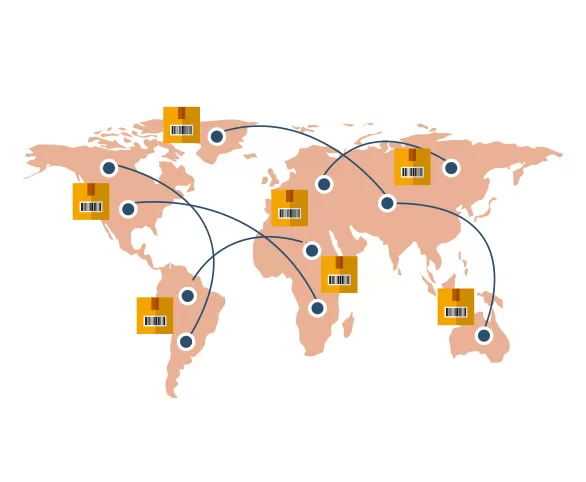
Managing shipments across multiple carriers can become difficult when teams rely on separate tools for rates, service selection, labels, and tracking.
With centralized multi-carrier integrations, warehouse teams can manage domestic and international shipping workflows from one platform. Carrier accounts, service levels, rate structures, and shipping rules can be configured in one place while still supporting client-specific requirements for 3PL operations.
The system also supports automated carrier selection and consistent shipment visibility across warehouses, regions, and fulfillment locations. Fulfillor supports integrations with major couriers and multi-carrier platforms through its connected integration ecosystem.
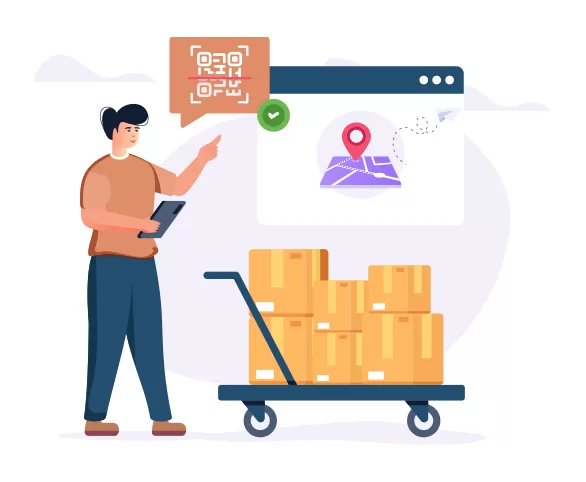
Tracking shipments across multiple carriers becomes harder when updates are spread across separate carrier portals.
Fulfillor keeps shipment statuses, delivery progress, and carrier events connected inside the WMS, helping teams reduce manual follow-ups and maintain clear order visibility across clients, warehouses, and fulfillment operations.
For returns, connected returns management also helps keep reverse logistics aligned with outbound orders.
Carrier selection becomes inconsistent when teams choose services manually across high order volumes, multiple destinations, and client-specific requirements.
Teams can define shipping rules based on cost, delivery speed, shipment weight, destination, service level, or client requirements. These rules help automate carrier and service selection for each order, reducing manual decisions and keeping shipping workflows more consistent.

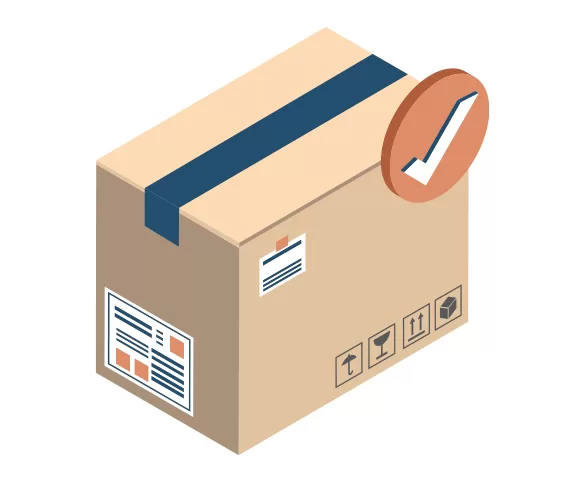
Manual label creation across separate systems can lead to errors, reprints, and dispatch delays, especially when order volume grows or multiple carriers are involved.
Labels can be generated from shipment data and carrier requirements inside a centralized workflow. This helps reduce manual mistakes, support different label formats, and keep dispatch processes consistent across warehouses and fulfillment operations.
Understand how carrier selection, pricing, and tracking are handled across real warehouse workflows.
Shipping management software is used to manage carrier selection, rate comparison, label generation, and shipment tracking from a single system. It helps centralize shipping workflows, especially for businesses handling multiple carriers or high order volumes.
A warehouse typically needs multi-carrier shipping software when orders are processed across different carriers, regions, or service levels. As order volume increases, managing carrier selection, pricing, and tracking manually becomes difficult and error-prone.
Shipping automation reduces manual tasks such as carrier selection, rate comparison, and label generation. In 3PL environments, where multiple clients and shipping rules are involved, it helps prevent errors, improves consistency, and speeds up order dispatch.
Yes, shipping rules can be configured based on factors like delivery speed, cost, destination, shipment weight, or client-specific requirements. This allows different workflows to be applied automatically without manual intervention.
Yes. Even smaller operations benefit from shipping management software by eliminating manual carrier lookups, reducing label errors, and building a consistent workflow from the start. Starting early makes it easier to handle peak periods, add carriers, and scale without overhauling processes later.
Shipping automation reduces errors by applying predefined rules for carrier selection and label generation. This minimizes manual decision-making and helps ensure that shipments are processed consistently across different orders and locations.
Guides on multi-carrier operations, carrier integration, and shipping automation.