
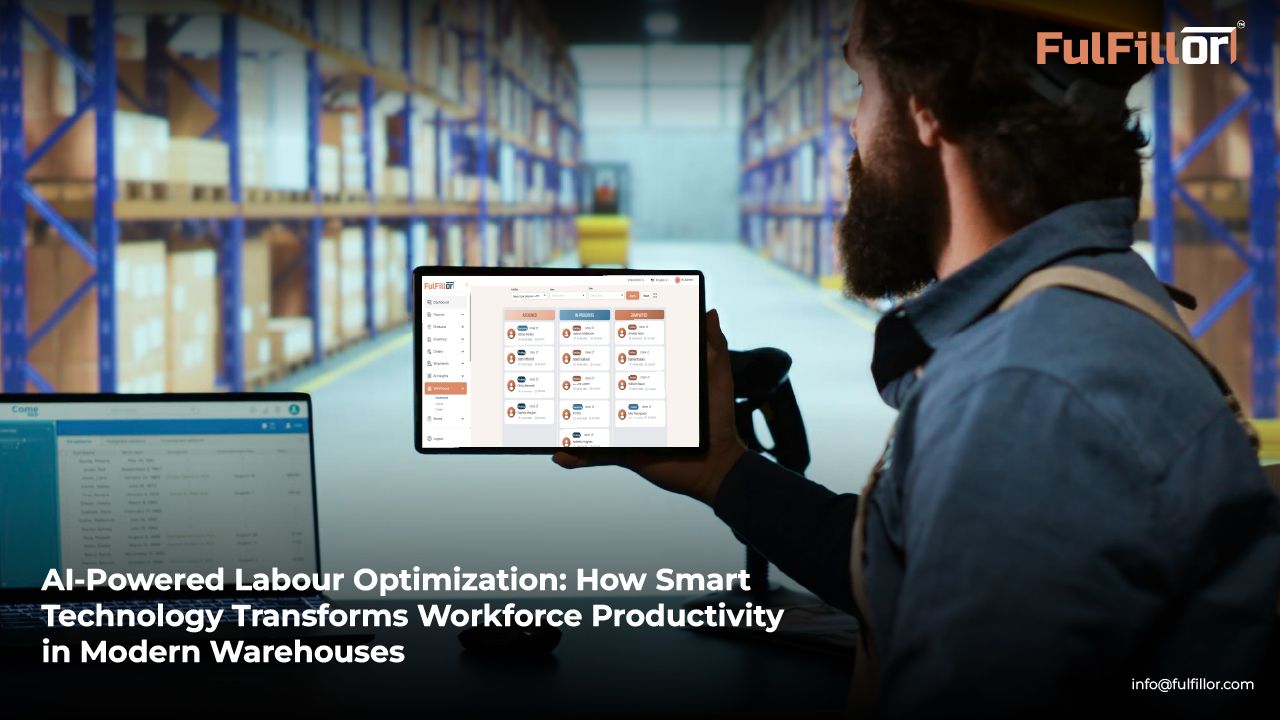
Labor shortages are not new in warehousing, but the way they affect operations has changed. Many warehouses are not only struggling to hire people. They are also dealing with turnover, uneven shift performance, rising labor costs, and pressure to fulfill orders faster with the same or smaller teams.
AI-driven warehouse labor optimization uses workload, task, worker, and fulfillment data to support staffing, scheduling, and labor-allocation decisions. When tasks are assigned manually, managers may not see where work is piling up until teams are already falling behind.
Why Warehouse Labor Is Difficult to Plan
Warehouse labor shortages are only part of the problem. Even when warehouses have enough people on the floor, teams can still fall behind because work is not always distributed properly.
A warehouse may have enough staff overall but too many workers in one area and not enough in another. Picking may fall behind while packing waits. Receiving may become backed up while dispatch has spare capacity. These gaps create delays, rework, and inconsistent performance across daily operations.

Several factors make warehouse labor planning harder:
- Changing workload: Order volumes, receiving activity, returns, and shipping deadlines can change throughout a shift.
- Different skill requirements: Equipment operation, inventory checks, fragile products, returns, and client-specific workflows may require workers with different experience or training.
- Multi-client fulfillment requirements: 3PL warehouses may need to balance different client priorities, order volumes, service levels, and shipping cutoffs at the same time.
How AI Optimizes Labor Allocation in Warehouses
Traditional labor planning often depends on supervisor experience, spreadsheets, and estimates from previous shifts. That becomes harder as order volume, client requirements, workflow complexity, and fulfillment deadlines increase.
AI in warehouse management can help managers allocate labor based on workload, worker availability, task priority, and operational bottlenecks. Instead of assigning work once and relying on a static staffing plan, teams can adjust labor as conditions change.
For example, if picking volume increases during a shift, managers can move available workers before the backlog affects packing or shipping. If receiving is overloaded, labor can be redirected before inbound delays begin affecting inventory availability.
1. Predictive Analytics for Labor Forecasting
Predictive analytics can help warehouse managers estimate labor requirements using historical workload patterns and expected fulfillment activity.
Order volume, seasonal demand, previous shift activity, promotional events, and changing client volumes can all influence how much labor a warehouse needs.
For a 3PL, this can be particularly useful when several clients experience different demand patterns within the same warehouse.
2. Real-Time Labor Reallocation
Warehouse demand rarely remains consistent throughout the day. Orders may increase after marketplace synchronization, receiving may take longer than expected, or packing may slow because of special handling requirements.
AI-assisted labor planning can help managers identify these changes earlier and adjust staffing or task assignments accordingly.
Workers can be moved toward higher-priority areas before delays become serious.
3. Skill-Based Task Assignment and Workforce Utilization
Not every warehouse task requires the same skills or experience. Some workers may be better suited for fragile products, returns processing, inventory checks, equipment-based tasks, or client-specific workflows.
AI-based labor management systems can support task-assignment decisions using information such as worker skills, experience, availability, task requirements, and current workload.
This can help managers assign trained workers to specialized tasks while moving available team members toward areas where demand is increasing.
How AI Helps Reduce Warehouse Labor Costs
Reducing warehouse labor costs is not only about reducing headcount. In many operations, the larger opportunity is reducing wasted labor hours, unnecessary overtime, idle time, and rework.
AI-driven labor optimization can help managers plan labor around expected workload and adjust staffing when conditions change. If order volume is lower than expected, teams can avoid unnecessary overstaffing. If demand rises in one part of the warehouse, workers can be moved before overtime becomes the only option.
Better labor planning can also help reduce broader order fulfillment costs. Poor task allocation can contribute to picking errors, delayed shipments, repeated checks, and supervisor time spent correcting preventable problems.
Warehouse Labor Metrics to Monitor
AI-supported labor planning becomes more useful when managers track operational metrics rather than judging workforce performance only by total labor hours.
Useful warehouse labor metrics include:
- Labor hours per order: Shows how much workforce time is required to fulfill orders.
- Orders or lines picked per labor hour: Helps measure picking productivity.
- Overtime hours: Shows whether workload regularly exceeds planned labor capacity.
- Idle time: Helps identify where workers are available but underutilized.
- Task completion time: Highlights warehouse processes that consistently take longer than expected.
Warehouse Labor Problems AI Can Help Identify
Beyond labor allocation, AI can help warehouses detect operational patterns that are difficult to notice during a busy shift.
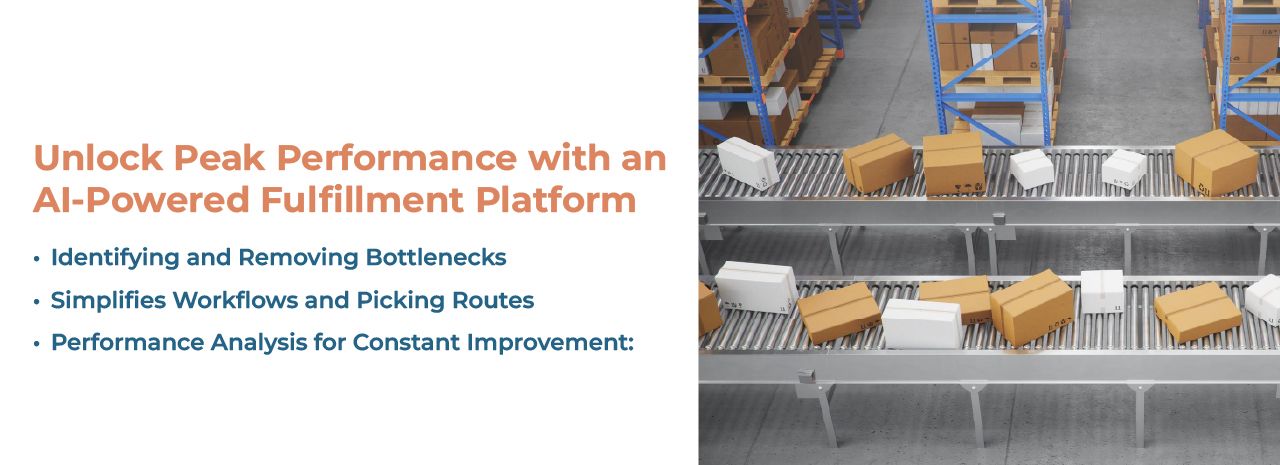
- Growing picking backlogs: Managers can identify when picking activity is falling behind before the delay reaches packing or shipping.
- Uneven workload distribution: Teams can see when one warehouse area is overloaded while another has available capacity.
- Repeated workflow delays: Historical activity can reveal where receiving, picking, packing, or other tasks regularly take longer than expected, helping managers identify broader warehouse optimization opportunities.
The goal is not to monitor workers for the sake of monitoring. The useful outcome is identifying where the workflow is breaking down before it affects fulfillment performance.
When AI Labor Optimization Falls Short
If inventory data is inaccurate, task rules are poorly configured, or teams do not follow standard workflows, AI recommendations may still be limited.
For example, if item locations are outdated, workload and picking recommendations may be based on unreliable information. If workers are not properly trained, better task assignment will not fully prevent errors. If managers do not act on operational data, the same delays can continue.
AI-driven labor optimization works best when it is supported by accurate warehouse data, clear workflows, and manager oversight.
The technology should improve operational decisions, not replace warehouse judgment.
How Fulfillor Supports Warehouse Labor Management
Fulfillor helps warehouses and 3PL teams monitor workload, task progress, inventory movement, and fulfillment activity within one WMS.
Instead of relying only on spreadsheets or after-the-fact reports, managers can review activity across picking, packing, receiving, returns, and shipping to identify where additional labor may be needed. This makes it easier to adjust labor before delays begin affecting order accuracy or shipping cutoffs.
Connecting workforce activity with warehouse operations gives managers a clearer view of where available labor is needed during the day, rather than only showing how many workers are scheduled.